Coffee
267 products
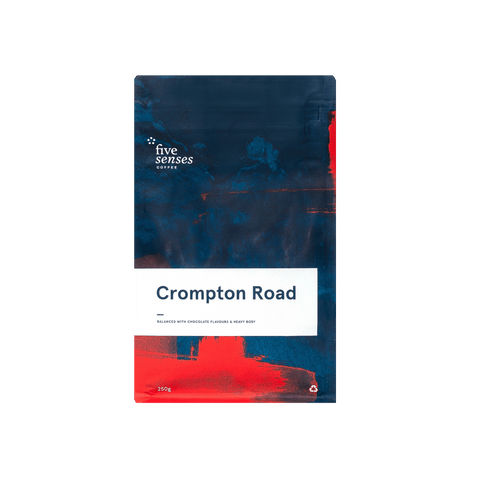
Crompton Road Blend
Balanced with chocolate flavours & heavy body.
From: $19.00
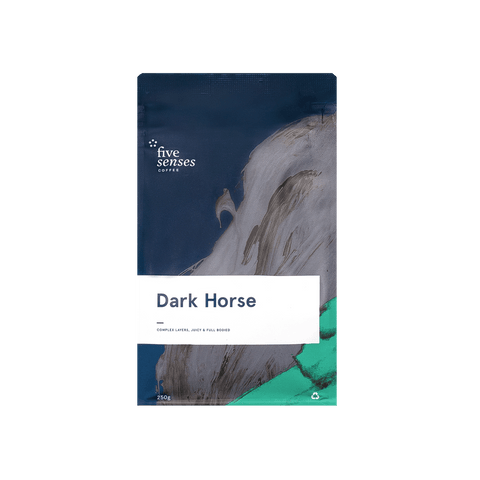
Dark Horse Blend
Complex character, intense & full bodied.
From: $19.00
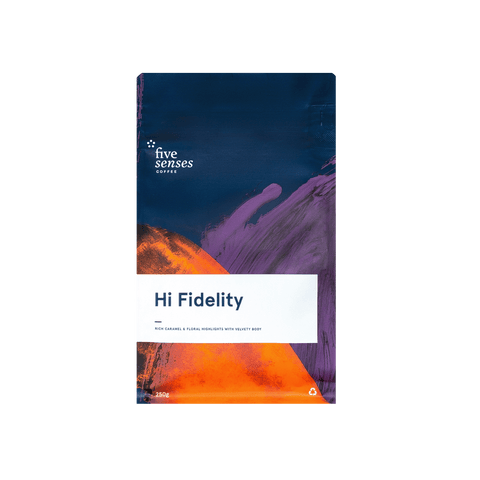
Hi Fidelity Blend
Rich caramel & floral highlights with a velvety body.
From: $19.00
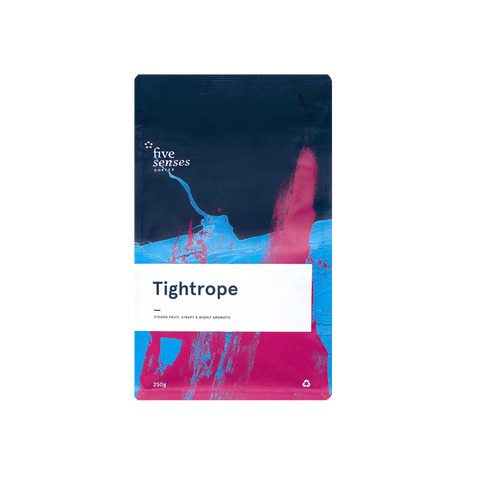
Tightrope Blend
Sweet fragrance, juicy & fruit forward.
From: $19.00

Cabin Fever Blend
Brown sugar, malt and cinnamon.
From: $19.00
Cleanskin Blend
Specialty coffee lucky dip!
$57.00
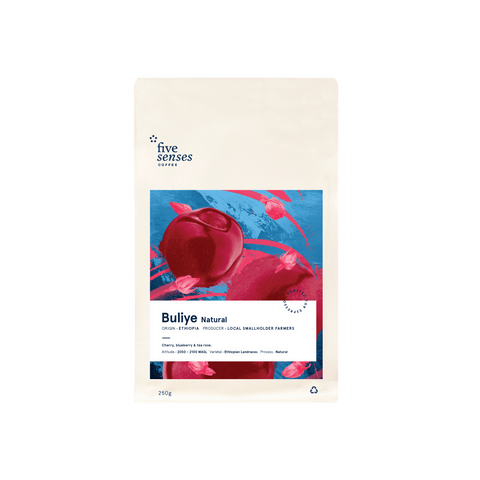
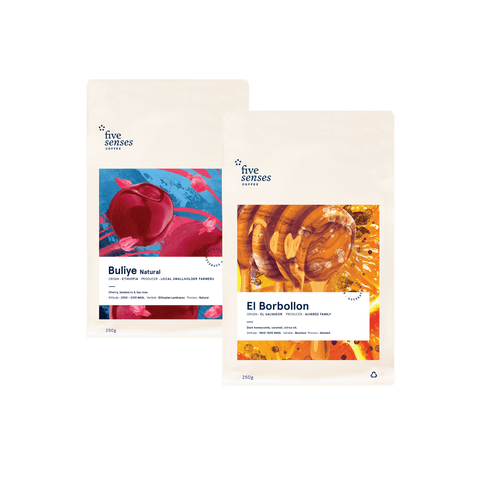
Buliye, Natural
Ethiopia
Cherry, blueberry & tea rose.
From: $19.00

Leonid Ramirez, Anaerobic Washed
Colombia
Rockmelon, blood orange & cola
From: $25.50

Leonid Ramirez, Honey
Colombia
Peach, black tea & manuka honey
From: $25.50
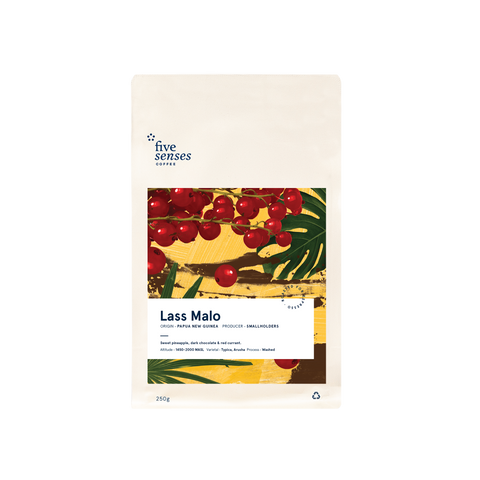
Lass Malo, Washed
Papua New Guinea
Sweet pineapple, dark chocolate & red currant.
From: $19.00

Orkida, Washed
Timor Leste
Juicy mandarin, milk chocolate & apple juice.
From: $19.00

Sepukila, Washed
Tanzania
Yellow plum, caramel & vanilla bean.
From: $19.00
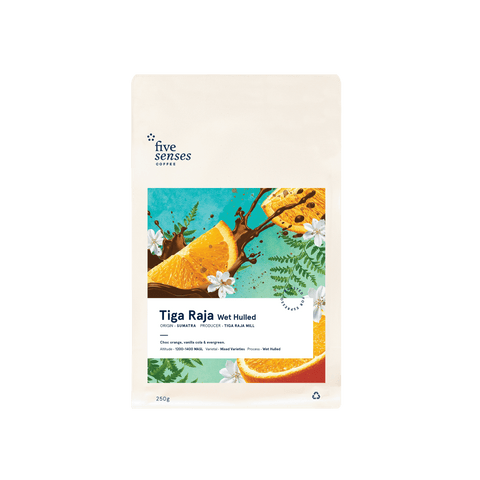
Tiga Raja, Wet Hulled
Sumatra
Choc orange, vanilla cola & evergreen.
From: $19.00
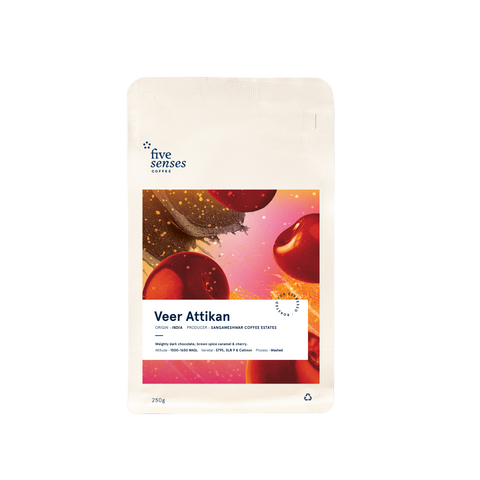
Veer Attikan, Washed
India
Weighty dark chocolate, brown spice caramel & cherry.
From: $19.00
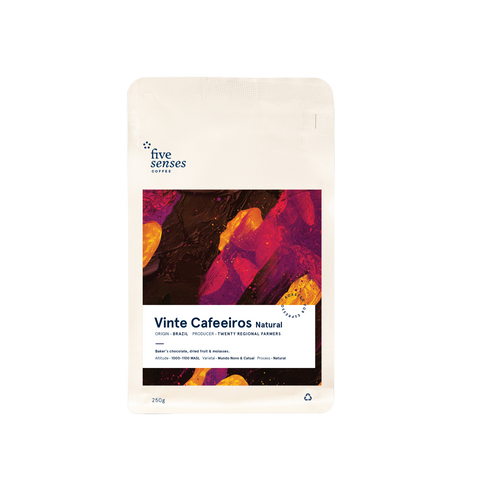
Vinte Cafeeiros, Natural
Brazil
Baker's chocolate, dried fruit & molasses.
From: $19.00
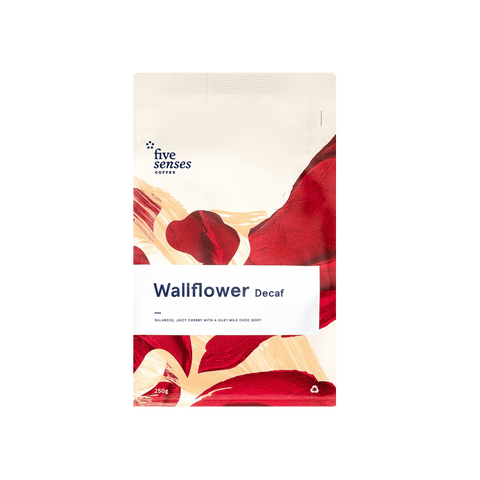
Wallflower Decaf
Complex layers of cherry candy and cola.
From: $21.00
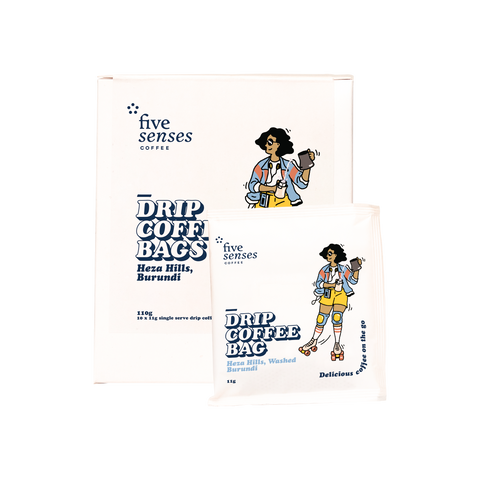
Drip Coffee Bags
Heza Hills, Burundi
Delicious specialty coffee on the go.
$29.00

Coffee Pods - Crompton Road Blend
Delicious coffee made easy.
From: $10.00

Coffee Pods - Dark Horse Blend
Saddle up for bold flavour with our iconic Dark Horse blend, now in an easy, pod-friendly format.
From: $10.00
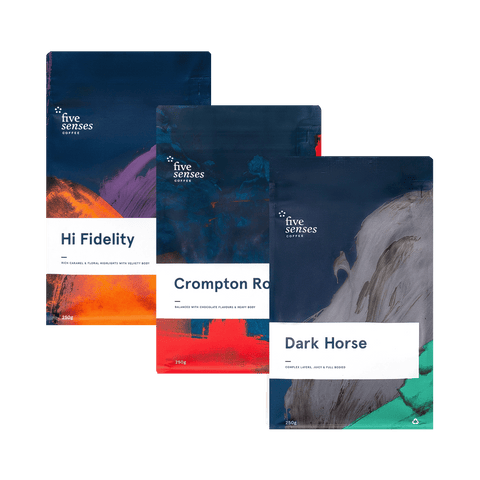
Royal Sampler
Sample our delicious blends!
$57.00
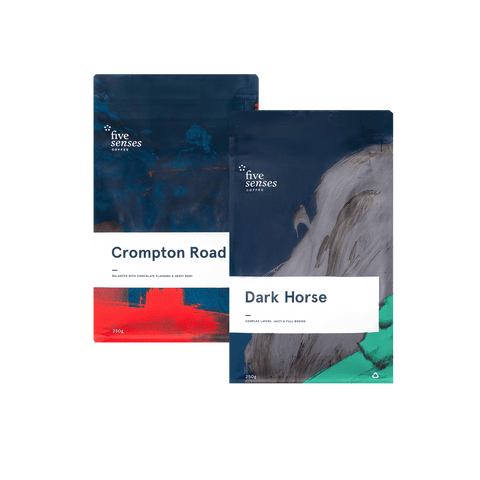
Blend Coffee Subscription
Single origins partying together.
From: $19.00
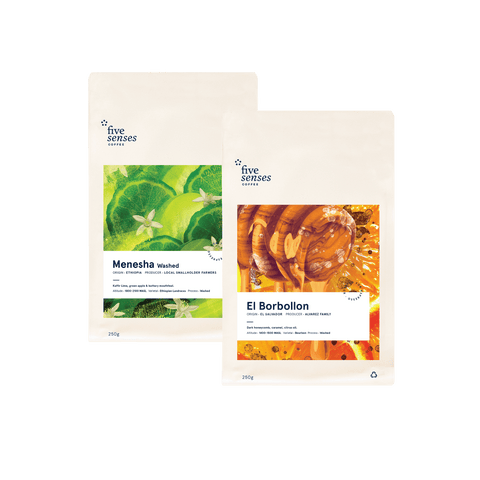
Single Origin Espresso Subscription
Singularly superb selections.
From: $19.00
Single Origin Filter Subscription
For never ending brews!
From: $19.00
Previously Available Coffees

Double Trouble Blend
Apricot, lime milkshake & strawberries.
From: $19.00
SOLD OUT

Campo Hermoso, Natural Carbonic Maceration
Colombia
Lime sherbet, floral violet & raspberry soda
$20.00
SOLD OUT

Hacienda La Esmeralda, Jamarillo, Geisha
Panama
Juicy lime, watermelon & cherry blossom.
$40.00
SOLD OUT

Wilton Benitez, Washed Thermo Shock
Colombia
Passionfruit, mango & boysenberry.
$20.00
SOLD OUT

Trust the Process. Colombian Collection #8
Colombia
The iconic coffees of Leonid Ramirez return for their 8th year
$70.00
SOLD OUT

Chebega, Washed
Ethiopia
Peaches and cream, lime coola & dark choc.
From: $21.50
SOLD OUT

Butegana, Intenso Yeast Natural
Burundi
Cherry, cola fizz & berry molasses.
From: $25.50
SOLD OUT

El Senegal, Washed
Guatemala
Lemon yoghurt, blackberry & bergamot.
From: $25.50
SOLD OUT

El Sol, Natural
Guatemala
Sweet berry, cocoa & musk.
$96.00
SOLD OUT
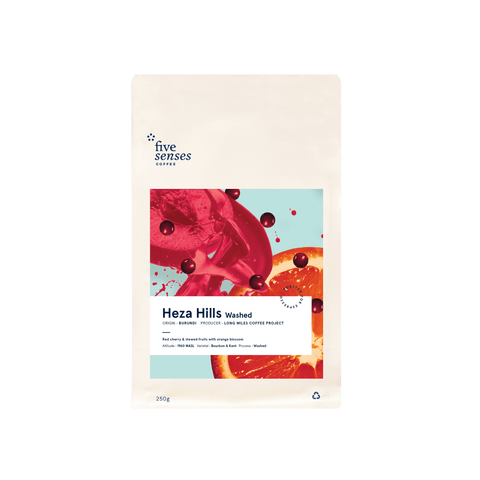
Heza Hills, Washed
Burundi
Red cherry & stewed red fruits with orange blossom.
From: $19.00
SOLD OUT

Ijen Lestari, Anaerobic Natural
Indonesia
Lychee, peaches and cream & dried raspberry.
From: $23.50
SOLD OUT

La Danta, Natural
Guatemala
Passionfruit curd, white grape & mixed berry sherbet.
From: $25.50
SOLD OUT
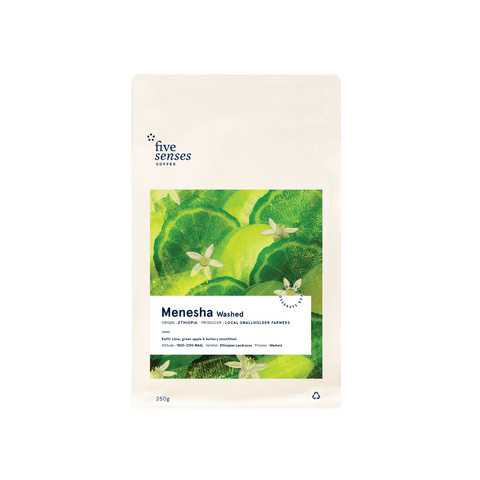
Menesha, Washed
Ethiopia
Kaffir lime, green apple & buttery mouthfeel.
From: $19.00
SOLD OUT

Mt Halu, Carbonic Maceration
Indonesia
Praline, condensed milk & vanilla.
From: $27.50
SOLD OUT

Rachia, Natural
Ethiopia
Lime pie, apricot & gingernut biscuit.
From: $22.50
SOLD OUT

Rancabali, Carbonic Maceration
Indonesia
Strawberries and cream, concord grapes & bubblegum.
From: $27.50
SOLD OUT

Filter Playground
Sample our delicious filter coffees!
$57.00
SOLD OUT
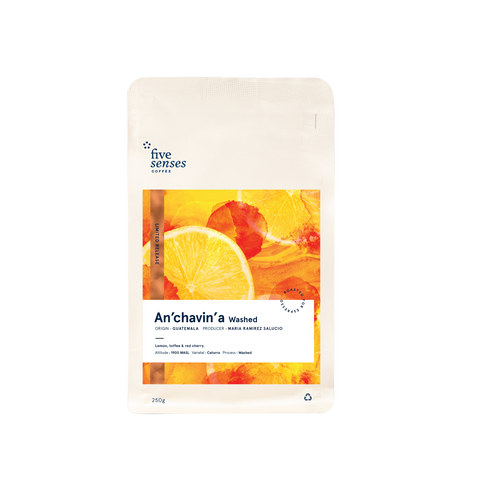
An'chavin'a, Washed
Guatemala
Lemon, toffee & red cherry.
From: $22.00
SOLD OUT

Andino Bruselas, Washed
Colombia
Ruby grapefruit, crisp red apple & vanilla cola.
From: $23.50
SOLD OUT
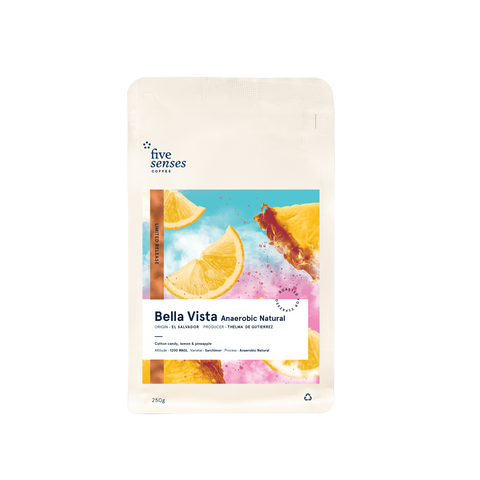
Bella Vista, Anaerobic Natural
El Salvador
Cotton candy, lemon & pineapple.
From: $23.50
SOLD OUT
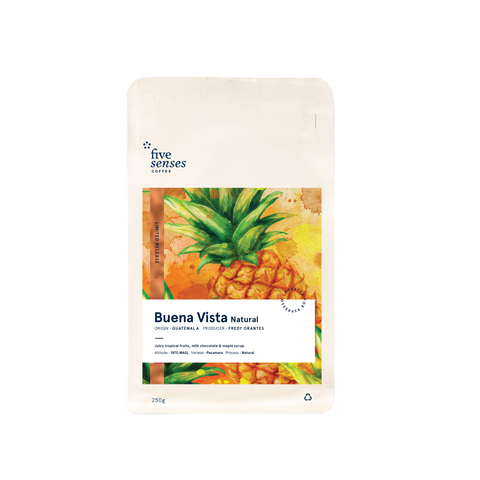
Buena Vista, Natural
Guatemala
Juicy tropical fruits, milk chocolate & maple syrup.
From: $25.00
SOLD OUT
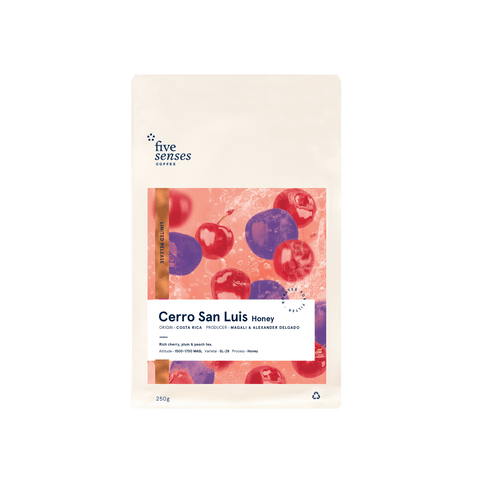
Cerro San Luis, Honey
Costa Rica
Rich cherry, plum & peach tea.
From: $23.50
SOLD OUT
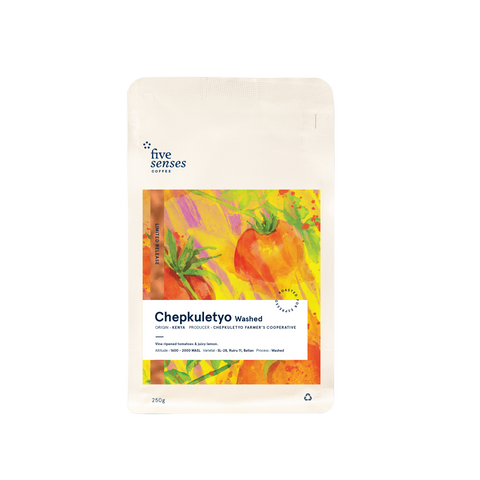
Chepkuletyo, Washed
Kenya
Vine ripened tomatoes & juicy lemon.
From: $22.50
SOLD OUT
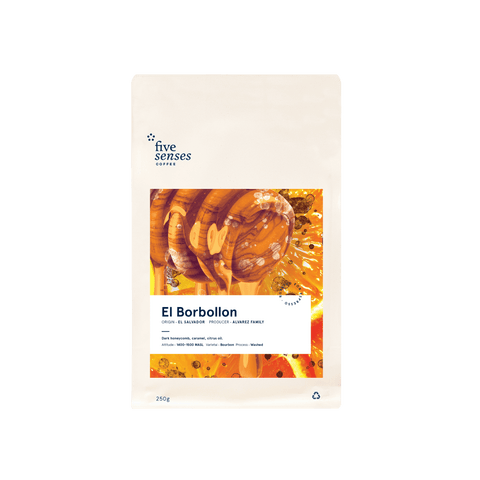
El Borbollon, Washed
El Salvador
Dark honeycomb, caramel & citrus oil.
From: $19.00
SOLD OUT
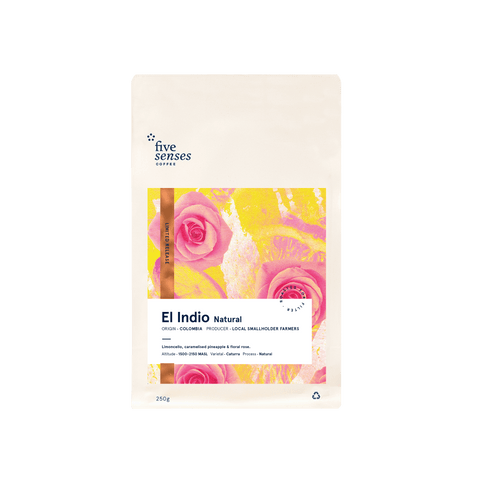
El Indio, Natural
Colombia
Limoncello, caramelised pineapple & floral rose.
From: $25.50
SOLD OUT
Crompton Road Blend
From: $19.00
Dark Horse Blend
From: $19.00
Hi Fidelity Blend
From: $19.00
Tightrope Blend
From: $19.00
Cabin Fever Blend
From: $19.00
Double Trouble Blend
From: $19.00
Campo Hermoso, Natural Carbonic Maceration
Hacienda La Esmeralda, Jamarillo, Geisha
Wilton Benitez, Washed Thermo Shock
Cleanskin Blend
Trust the Process. Colombian Collection #8
Chebega, Washed
From: $21.50
Buliye, Natural
From: $19.00
Butegana, Intenso Yeast Natural
From: $25.50
El Senegal, Washed
From: $25.50
El Sol, Natural
Heza Hills, Washed
From: $19.00
Leonid Ramirez, Anaerobic Washed
From: $25.50
Leonid Ramirez, Honey
From: $25.50
Ijen Lestari, Anaerobic Natural
From: $23.50
La Danta, Natural
From: $25.50
Lass Malo, Washed
From: $19.00
Menesha, Washed
From: $19.00
Mt Halu, Carbonic Maceration
From: $27.50
Orkida, Washed
From: $19.00
Rachia, Natural
From: $22.50
Rancabali, Carbonic Maceration
From: $27.50
Sepukila, Washed
From: $19.00
Tiga Raja, Wet Hulled
From: $19.00
Veer Attikan, Washed
From: $19.00
Vinte Cafeeiros, Natural
From: $19.00
Wallflower Decaf
From: $21.00
Drip Coffee Bags
Coffee Pods - Crompton Road Blend
From: $10.00
Coffee Pods - Dark Horse Blend
From: $10.00
Filter Playground
Royal Sampler
Blend Coffee Subscription
From: $19.00
Single Origin Espresso Subscription
From: $19.00
Single Origin Filter Subscription
From: $19.00
An'chavin'a, Washed
From: $22.00
Andino Bruselas, Washed
From: $23.50
Bella Vista, Anaerobic Natural
From: $23.50
Buena Vista, Natural
From: $25.00
Cerro San Luis, Honey
From: $23.50
Chepkuletyo, Washed
From: $22.50
El Borbollon, Washed
From: $19.00
El Indio, Natural
From: $25.50